
Your Last Day in Okinawa: Luggage, Rental Car Return and Naha Airport
Where will your bags go after checkout, and when should you return the car? Work back from airport arrival to leave time for a final meal or shopping.


Where will your bags go after checkout, and when should you return the car? Work back from airport arrival to leave time for a final meal or shopping.

A Chatan guide connecting sunset, dinner, and the journey back. Separates official regular hours, prices, and reference sunset times, with practical information for family orders, shopping, parking, buses, and rainy-day changes.

Choose breakfast in Naha around opening hours and your next stop. Find menu-based cost examples, the market cooking service, walking and driving decisions, family orders, and alternatives for closures.

Coffee served at an Okinawan farm and beans used in its workshops are not always locally grown. Check your goal and bean origin, then plan a visit around the harvest season and booking conditions.

Choose your toppings, then noodles and broth, and finally the portion. This guide explains menu names and questions to ask so you can choose your first bowl of Okinawa soba.

1 night depends on time at both ends of your stay; 2 nights give you a full day when you can return to your room. Compare changing arrangements, sightseeing, costs and weather alternatives.
A limit of 14 guests does not settle the sleeping plan. Explore examples for 6, 10 and 14 guests, a message to send the host, and bathroom-time and grocery calculations to check what suits your family.
Do not choose a family stay by capacity alone. Assign a sleeping place to everyone, then check laundry, meals, transport and booking rules for 3–4 nights.

Choose your base before filling 3 nights and 4 days: allow time for the sea, Naha's food and shopping, and the airport journey.

Explore one kiln's range or compare several makers in a craft shop. This guide uses official information to help you choose places to buy Okinawan pottery that suit your daily life and travel plans.
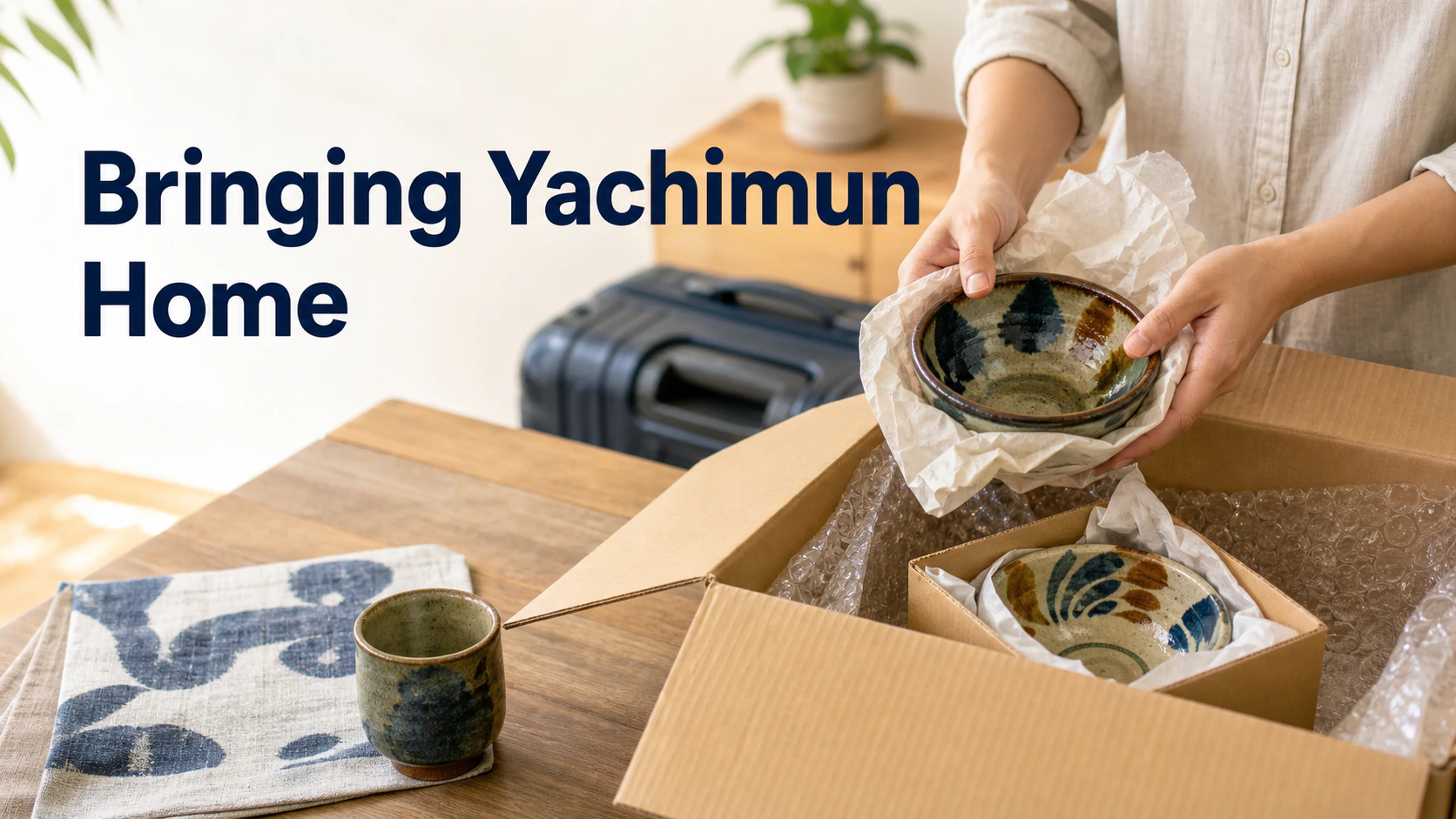
Compare four ways to take yachimun overseas: carry-on baggage, checked baggage, direct shop shipping, and international mail. Includes packing steps, customs checks, the 2026/11 tax-free change, and what to do if pottery breaks.
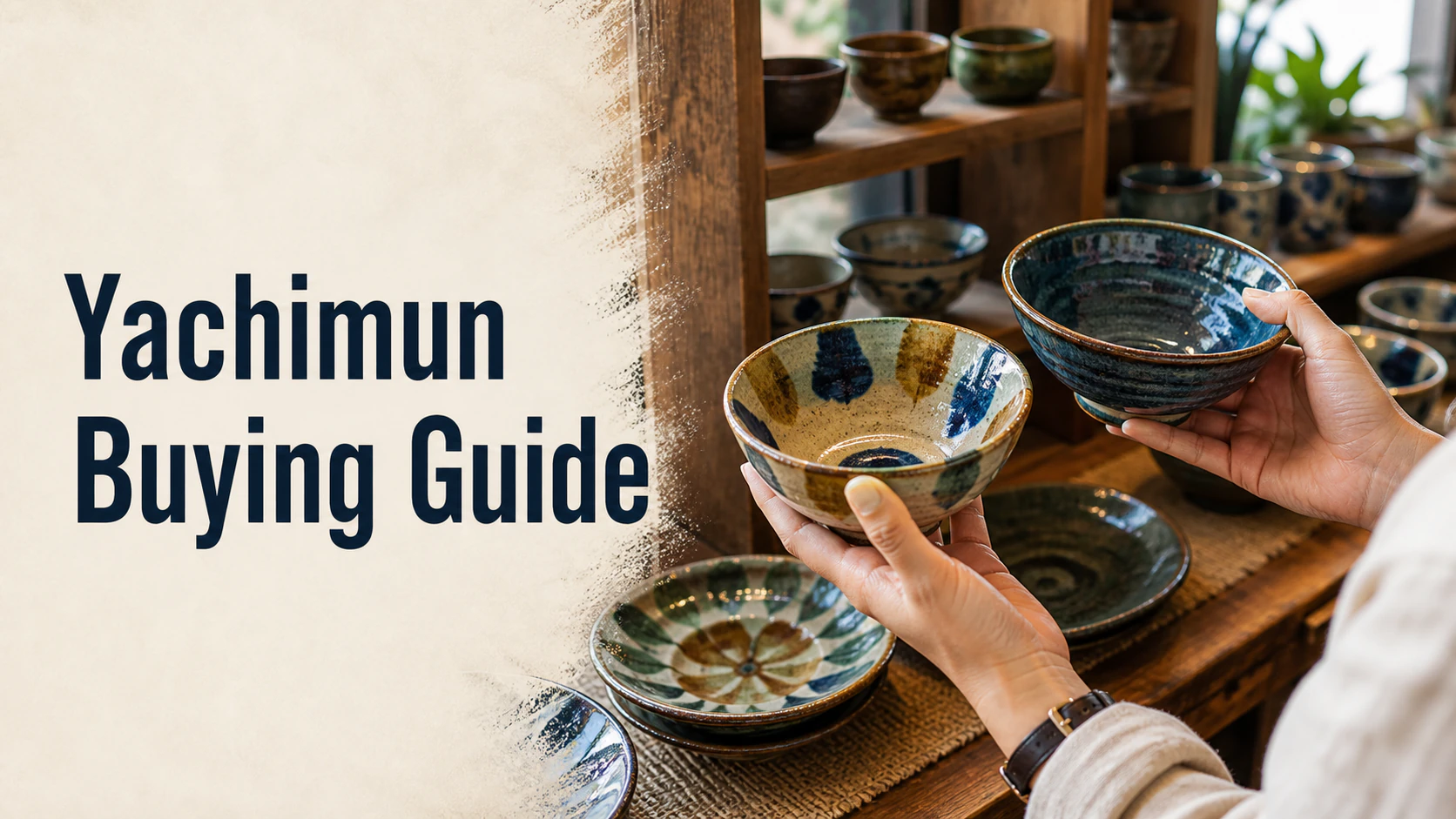
Choose yachimun you will actually use at home by checking more than appearance: purpose, storage, weight, care, provenance, and packing. Includes a shop-ready English and romanized Japanese question list.